
For most restoration companies, insurance work is the business. And for most restoration owners, waiting to get paid on that work is the most frustrating part of it. Jobs are finished, crews are paid, equipment has moved on, and the money is still weeks or months out.
Some delay is outside your control. But a big share of slow payments trace back to the contractor's own process. Here's how to tighten yours.
1. Get the job information right at intake
Payment delays often start on day one. Make sure your intake process captures everything you'll need later, every time:
- Property owner's full contact details
- Carrier name and claim number (or a reminder to get it)
- Date of loss and cause of loss as reported
- Signed work authorization and payment terms
A job that starts without a claim number is a job that can't be paid until someone chases it down.
2. Build a documentation standard your crews follow on every job
Documentation is where most payment friction comes from. Create a simple standard that every crew follows on every job, and check it before the job closes:
- Time-stamped photos before, during and after
- Moisture readings and drying logs, recorded daily
- Equipment placement and run times
- Daily job notes, including any changes in scope
- Written approval for change orders
Send supporting documentation with the estimate or invoice instead of waiting to be asked. Every request for missing information adds days or weeks.
3. Tighten your estimating process
Estimates that are incomplete or hard to follow invite questions. Build a review step before anything goes out: does the scope match the documentation, are line items supported, and are code upgrades or repair-versus-replace decisions explained? Many contractors benefit from a written estimating checklist and a second set of eyes on larger jobs.
4. Have a clear supplement workflow
Hidden damage and scope changes are part of restoration work. Decide who identifies supplement items, how they're documented and how quickly they're submitted. A consistent workflow beats scrambling at the end of the job.
5. Run receivables like a process, not a pile
Unpaid invoices don't follow themselves up. Put a simple system in place:
- A weekly receivables report sorted by age (0–30, 31–60, 61–90, 90+ days)
- A follow-up schedule with a named owner for each stage
- Notes on every outstanding invoice: what's missing and the next step
- Tracking of lien and notice deadlines where they apply
Automation can help here. Reminders, task assignments and a live receivables dashboard take the follow-up off your memory. See AI automation for home service businesses.
6. Decide what to build in-house and what to outsource
Supplement writers and billing services can help, but most charge on every job, and the know-how leaves with them. For many companies, the better long-term move is to build the capability in-house and keep outside help for overflow or specialty work.
Know the line
Contractors should stay on their side of the line. In North Carolina and many other states, only licensed public adjusters can advise or negotiate on behalf of the property owner. Your job is to document your work clearly and invoice it properly. If a property owner needs help with their claim, refer them to a licensed public adjuster or attorney.
How Servtek helps
Darin Gossage ran insurance jobs firsthand as the owner of a restoration company and brings 30+ years of experience. Servtek helps restoration contractors tighten their own documentation, estimating, supplements and receivables, so fewer jobs stall and your crew stops chasing payments.
Servtek advises contractors on their own business processes. We don't represent property owners, interpret insurance policies or negotiate claims, and Servtek is not a public adjuster.
Frequently asked questions
Why do insurance jobs take so long to pay?
Common causes include missing claim information, incomplete documentation, scope changes without clear support, and invoices that sit without follow-up. Many of these are within the contractor's control.
Should I outsource supplements and billing?
Outsourcing can work, but you pay for it on every job and the know-how stays with the vendor. Many contractors are better served by building a solid in-house process and using outside help only where it makes sense.
Can Servtek negotiate with the insurance company for me?
No. Servtek advises contractors on their own business processes. We don't represent property owners, interpret insurance policies or negotiate claims. When a claim needs representation, the property owner should work with a licensed public adjuster or attorney.
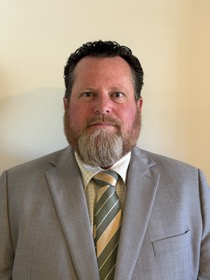
About Darin Gossage
President and Founder, Servtek
Darin brings 30+ years of experience in business leadership, technology and operations, including building and running a 5-star fire and water damage restoration company. He serves on the Steamatic Inc. Advisory Council and has helped 150+ businesses grow.