
Most home service businesses don't stall because the owner stops working hard. They stall because the way work flows through the company can't keep up with growth. More jobs mean more calls, more scheduling, more paperwork and more mistakes, and it all lands on the owner's desk.
Here are the seven bottlenecks we see most often in restoration, roofing, HVAC, plumbing, electrical and landscaping companies, and how to fix each one.
1. Leads get lost between the phone and the schedule
Symptom: missed calls, slow callbacks, estimates that never get followed up.
Fix: define one intake process, from answering to booking, and put every lead in a CRM. Add missed-call text-back and automatic estimate follow-up so nothing depends on memory.
2. The owner is the dispatcher
Symptom: every schedule change goes through you, and nothing moves when you're unavailable.
Fix: write down your scheduling rules (job types, durations, crew skills, priorities) so someone else can make the calls. Then hand it off.
3. Processes live in people's heads
Symptom: when a key employee is out, jobs slip and quality varies by crew.
Fix: create simple SOPs for the jobs that repeat most: intake, job setup, job close-out and billing. Short checklists beat long manuals.
4. Nobody knows the real job margins
Symptom: revenue is up but profit isn't, and you're not sure which jobs make money.
Fix: track labor, materials and subcontractor costs by job. Review margins by job type and by crew every month, and adjust pricing where needed.
5. Job close-out drags
Symptom: jobs are finished but invoices go out days or weeks later, missing paperwork.
Fix: make close-out part of the job, not an afterthought. Use a checklist that includes photos, signatures, notes and materials used before a crew can mark a job complete. For insurance work, see how to get paid faster on insurance jobs.
6. Hiring and training start from scratch every time
Symptom: new hires take months to get productive, and turnover resets the clock.
Fix: build a simple onboarding path with SOPs, ride-alongs and a 30/60/90-day checklist. Your best tech's knowledge should become the company's knowledge.
7. Too many tools that don't talk to each other
Symptom: the same information gets typed into three systems, and reports take hours.
Fix: list every tool you pay for and what it does. Cut the overlap, connect the rest, and automate the reporting. Our guide to AI automation for home service businesses explains where to start.
Where to start
Don't try to fix all seven at once. Pick the one that costs you the most money or the most of your own time, fix it completely, then move to the next. Most owners are surprised how much one fixed process frees up.
How Servtek helps
Servtek evaluates your current workflows, finds the bottlenecks and helps your team put streamlined processes in place. Darin Gossage brings 30+ years of experience, including building and running a restoration company, and has helped 150+ businesses. Read more about why owners choose Servtek.
Frequently asked questions
How do I find the bottleneck in my business?
Follow one job from first call to final payment and note every handoff, delay and rework. The step where work piles up, or where things get dropped, is your bottleneck.
When should a home service business write SOPs?
As soon as a task is done the same way more than a few times a week by more than one person. Start with intake, dispatch and job close-out.
Can operations consulting help a small company?
Yes. Smaller companies often see the fastest gains, because one fixed process, like lead follow-up or job close-out, makes a big difference to revenue and the owner's time.
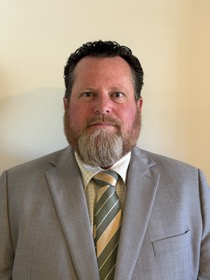
About Darin Gossage
President and Founder, Servtek
Darin brings 30+ years of experience in business leadership, technology and operations, including building and running a 5-star fire and water damage restoration company. He serves on the Steamatic Inc. Advisory Council and has helped 150+ businesses grow.