
Hiring a restoration business consultant can be one of the best investments you make, or an expensive detour. The restoration consulting market has grown quickly, and from the outside many firms look the same: an owner-turned-coach, a free strategy call and a promise of growth.
Use these eight questions to separate the consultants who will change how your company runs from the ones who will just give you homework.
1. Have you actually run a restoration company?
Operating experience is the starting point, not the finish line. Someone who has managed mitigation crews, answered emergency calls and waited on carrier payments will understand your problems faster. Ask for specifics: how long, what size, what services, and what they'd do differently.
2. What exactly will you build with us?
This is the question most owners forget to ask. "Implementation" can mean anything from a weekly accountability call to someone sitting with your team and building the system. Ask for a list of concrete deliverables, such as:
- Written SOPs for intake, dispatch, drying logs and job close-out
- A sales and referral process with clear follow-up steps
- A CRM pipeline and automations
- A documentation standard for insurance jobs
- A receivables tracking process and report
If the answer is mostly meetings and a workbook, you're buying coaching. That can be valuable, but know what you're paying for. We explain the difference in business consultant vs. business coach.
3. Do you work one-on-one or in a group?
Peer groups and masterminds can be great for ideas and accountability. One-on-one consulting is better when you need someone to dig into your numbers, your team and your processes. Know which one you want before you start comparing.
4. How do you handle AI and technology?
Restoration software is adding AI fast, from photo-based scoping to automated follow-up. A good consultant should be able to tell you which tools fit your business, how they connect to what you already use (your job management software, Xactimate, accounting and CRM), and what process has to be fixed before anything gets automated. Be cautious with anyone who is really selling one specific product.
5. How do you help with insurance work, and where's the line?
Insurance jobs drive most restoration revenue, so your consultant should understand documentation, estimating, supplements and receivables. But there's a legal line. In North Carolina and many other states, only licensed public adjusters can advise or negotiate on behalf of the insured. A good consultant helps your company build better processes. They don't promise to "handle the insurance company" or take a percentage of claim payments.
6. What does success look like, and how will we measure it?
Agree up front on the numbers that matter: close rate, average job size, gross margin, days to payment, or hours the owner spends in day-to-day operations. If a consultant can't name how they'll measure progress, that's a warning sign.
7. What are the contract terms?
Some programs require 12-month or multi-year commitments. Others are month-to-month or project-based. Neither is wrong, but you should know exactly what you're signing up for, what's included, and how to exit.
8. Can I talk to clients like me?
Ask for references from companies near your size and in your market. Read reviews and testimonials, and look for names, specifics and outcomes, not just praise.
How Servtek answers these questions
Servtek is led by Darin Gossage, who brings 30+ years of experience, including building and running a fire and water damage restoration company, and has helped 150+ businesses. We work one-on-one, help your team implement the changes, stay vendor-neutral on technology, and keep insurance work on the contractor's side of the line. Learn more about why owners choose Servtek.
Frequently asked questions
How much does a restoration business consultant cost?
It varies widely. Independent consultants often bill by the hour or by project, while coaching programs usually charge a monthly fee and some require a 12-month commitment. Ask for the scope, the deliverables and the contract term in writing before you compare prices.
Should a restoration consultant have owned a restoration company?
It helps a lot. Operating experience means they understand job flow, crews, emergency response and insurance work. But also ask how they help you implement changes, since experience alone doesn't fix anything.
Can a consultant help with insurance claims?
A consultant can help a contractor improve its own documentation, estimating and receivables processes. In many states, including North Carolina, only licensed public adjusters can advise or negotiate on behalf of the property owner, so be wary of anyone who promises to handle the insurance company for you.
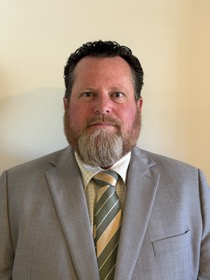
About Darin Gossage
President and Founder, Servtek
Darin brings 30+ years of experience in business leadership, technology and operations, including building and running a 5-star fire and water damage restoration company. He serves on the Steamatic Inc. Advisory Council and has helped 150+ businesses grow.